
Find People Through Provo Records
Begin with the fact already known. A full name works well in Utah County’s owner roll, recorded-document party index, Utah Courts Xchange, the state license lookup, and business principal search. An old Provo address calls for a different path. Split the address into number, direction, street, type, and city, then use the county parcel tools to discover the serial number and owner. For a deceased relative, move toward probate parties, obituaries, cemetery ledgers, and older death records.
Dates matter in Provo. The owner roll proves title, not who lives at the site. A school or staff listing proves an institutional role at the time of publication. Two people who share a name should never be merged without a second point, such as a middle name, parcel, age band, case role, or known address.
- Search the Utah County owner index with the surname first, then compare current and all-record results.
- Check public court parties in Xchange, narrowing the scope to Utah County or a specific Provo court.
- Turn a known address into a parcel serial, abstract, and deed chain.
- Use an official business, license, burial, or archive index that fits the person’s role and time.
- Ask the named custodian for older, certified, or non-digital material when the web record stops.
Provo Search Offices and Custodians
Provo is both a city and the Utah County seat, but the city does not keep every local record. The Recorder holds deeds, liens, plats, and ownership maps. The County Clerk handles marriage licenses and elections, while probate and divorce files belong to Fourth District Court. Provo’s City Recorder receives municipal GRAMA requests. Choosing the right custodian saves time because a city request cannot produce a county deed or district court file. Detailed classifications, fees, and appeal steps appear in the Provo public records system.
Utah County Recorder
100 East Center Street, Suite 1300
Provo, UT 84606
801-851-8179
Utah County Clerk
111 South University Avenue
Provo, UT 84601
801-851-8109
Provo City Recorder
445 West Center Street, Suite 410
Provo, UT 84601
801-852-6524
Provo Land Records Name Search
The county’s combined Land Records menu is one of the strongest Provo search tools. It reaches owner, address, serial, property, subdivision, appraisal, tax, delinquent-owner, document, abstract, party-name, plat, and image modes. Owner search expects LAST, FIRST MIDDLE and lets the user choose current records or all records. The party index can narrow a name by kind of instrument, including conveyances, mortgages, releases, judgments, military filings, mining, water, plats, and zoning.
The Utah County Land Records menu shows how those search routes connect.
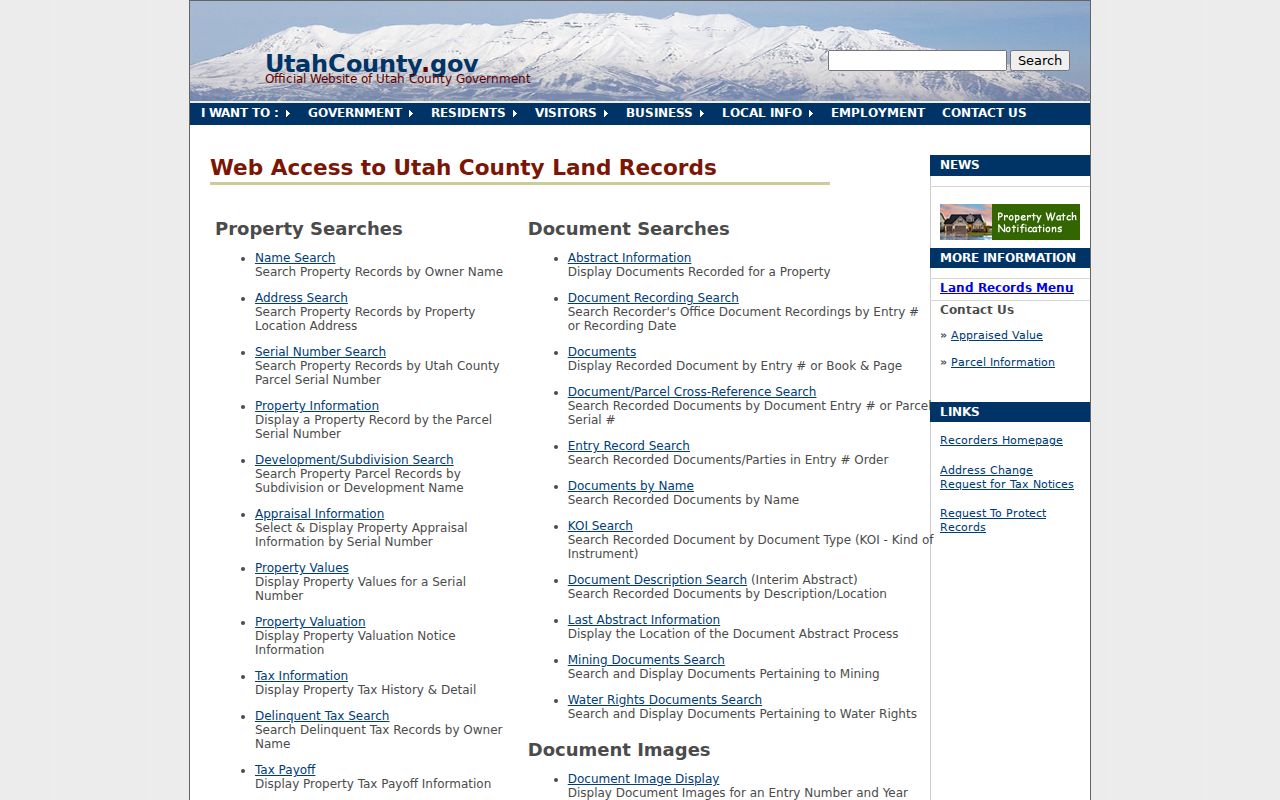
The menu matters because a name failure can be tested against an address, serial number, or recorded party role without leaving the official system.
| Search control | Input | Best use |
|---|---|---|
| Enter Name | Last name, first and middle | Current or former owner trail |
| Records scope | Current or all records | Separate present title from past entries |
| Party Name | Surname-first plus instrument group | Find grantors, grantees, lien parties, and other roles |
| Entry or date | Entry/year or recording date | Retrieve a known filing and its parcel links |
Note: The searchable property abstract is reliable from 1985 forward; older work may require scanned abstractions or Recorder assistance.
Map a Provo Address Search
An address can expose more than a current owner. Utah County’s parcel viewer accepts an address, owner name, parcel serial, or public-land survey reference. Once a parcel opens, the serial points back to property, value, tax, map, and abstract pages. A nine-digit serial encodes the Recorder map book, map page, and parcel. This route is useful when a person’s name is unknown but a Provo street address is firm.
Keep three concepts apart. The situs address is where the land sits. The mailing address is where the tax notice goes. The legal description identifies the land in a recorded instrument. A postal address that says Provo does not prove the parcel lies within city limits, so the county map should settle jurisdiction before a municipal request.
The official Utah County Parcel Map provides that geographic check.
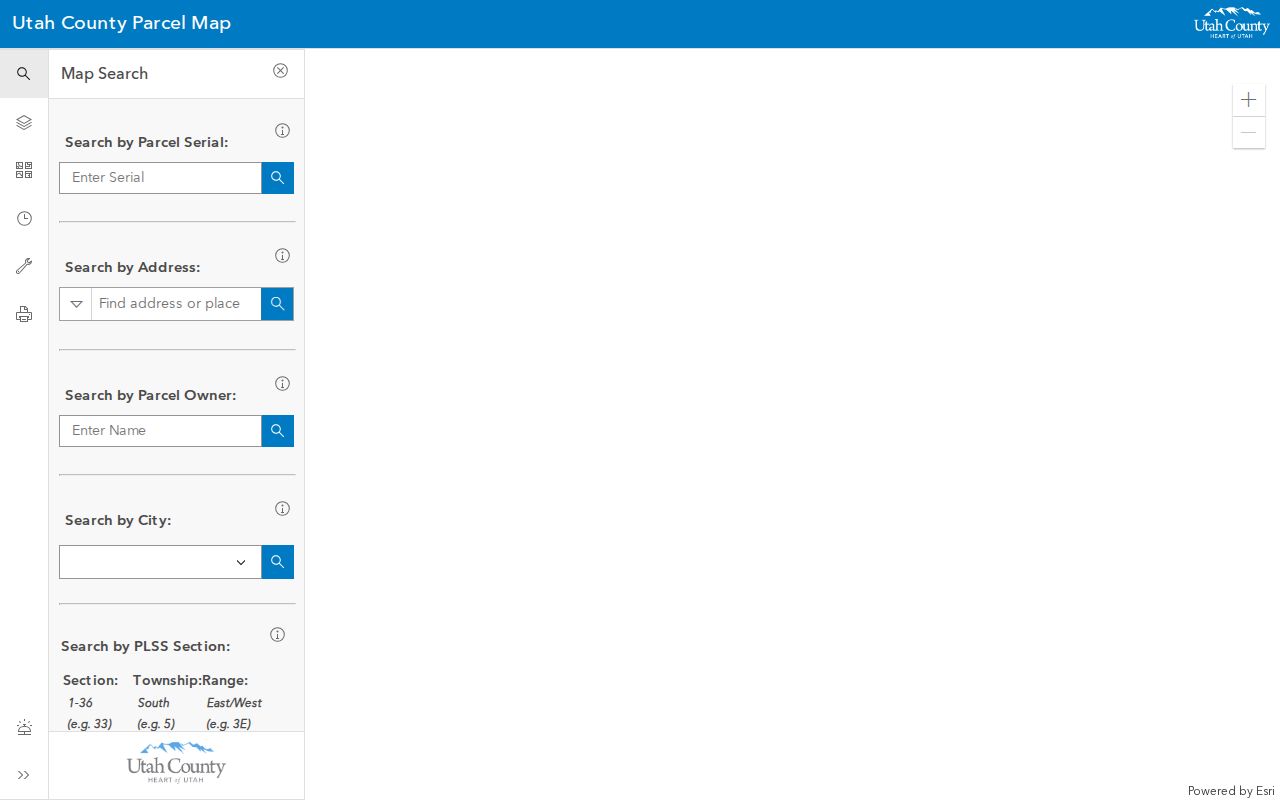
Map layers and parcel boundaries connect the address to the correct serial, while the deed remains the source for the actual transfer date.
- Grantor
- The person or entity giving an interest in a recorded transfer.
- Grantee
- The person or entity receiving that recorded interest.
- Abstract
- A running property history that points to recorded instruments.
- Situs
- The physical location of land, which may differ from the owner’s mail address.
Match Provo Neighborhood Search Trails
Provo records do not have the same depth in every neighborhood or era. Maeser, bounded roughly by Center Street, 600 South, University Avenue, and 900 East, contains early pioneer settlement and the city’s oldest surviving school. A person tied to that area may appear in territorial deeds, probate series, cemetery manuscripts, early newspaper titles, and the 1884 Sloan gazetteer before a modern street-based index becomes useful. Historic Provo maps and plat references can help translate those older descriptions.
Southwest Provo developed on a different timetable. Fort Utah, Provo Bay, Sunset, and Lakewood stayed agricultural longer, and wetlands or floodplain shaped later growth. Some parcels have no physical street address, so a legal description, map book, parcel serial, or plat can be a better search key than a modern address. Provo GIS also maintains current and expired address points among more than 1.2 million civic and infrastructure records. That evidence can explain why an old address vanished, but the county deed and abstract still control the ownership trail.
Check Provo Court Name Records
Utah Courts Xchange searches public district and justice court case data by party or company. Provo Justice Court covers city ordinance matters, Class B and C misdemeanors, traffic, and small claims. Fourth District Court keeps general civil, felony, Class A misdemeanor, probate, and divorce files. Federal cases belong in PACER, not Xchange.
The Utah Courts Xchange entry screen supports paid guest or account access.
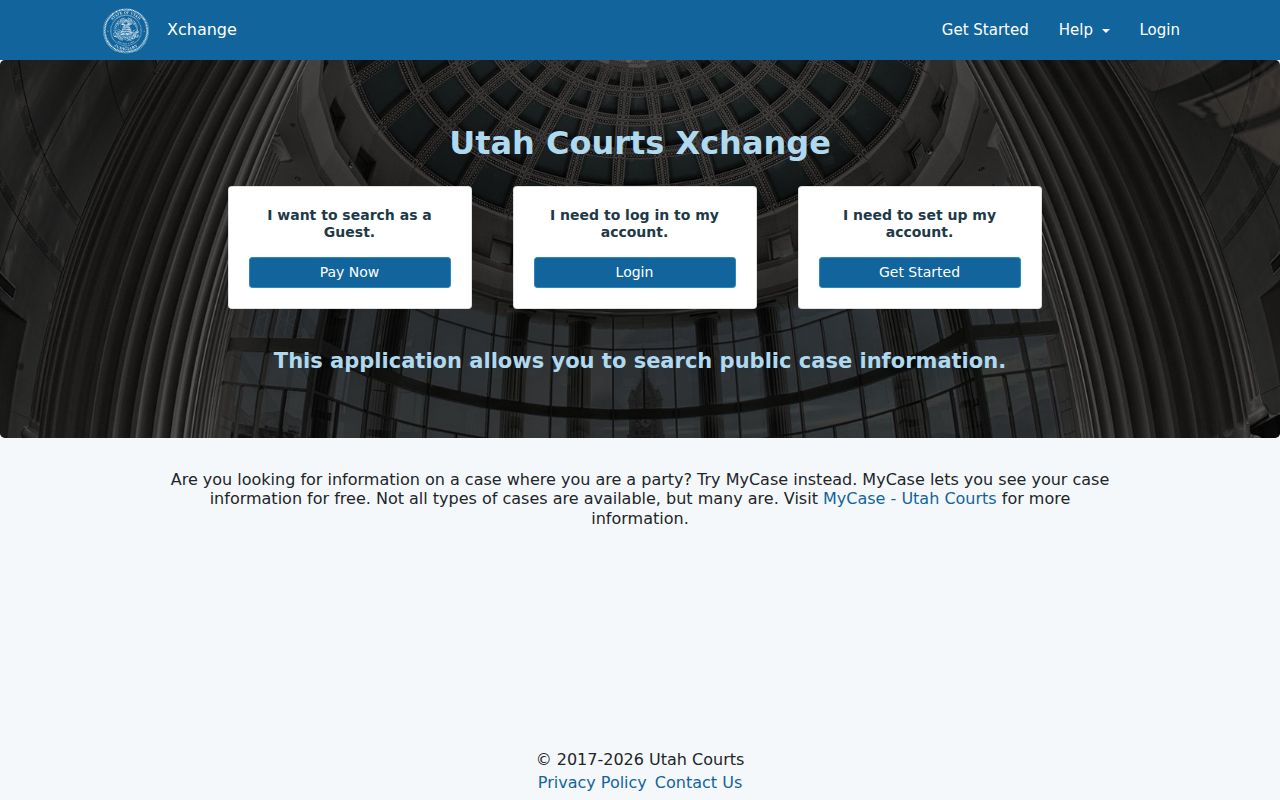
Searches can be narrowed by court level, case type, county, court, birth date, citation, or filing and disposition dates. Most courthouses and the Utah State Law Library also provide free public terminals.
| Provo court trail | What it covers | Name access |
|---|---|---|
| Fourth District Court | General civil, felony, probate, divorce | Xchange or courthouse terminal |
| Provo Justice Court | Local misdemeanor, traffic, small claims | Xchange or court office |
| District of Utah | Federal civil, criminal, bankruptcy | PACER and federal clerk |
Sealed, expunged, juvenile, adoption, and protected case material does not appear. A docket is the case history and event list, not proof that every filed document is public.
Trace Provo Vital Record Links
Birth and death certificates for Provo events come from Utah County Health or the Utah Office of Vital Records and Statistics. Recent certificates require identity, a qualifying relationship or legal interest, and payment. Utah law opens birth records after 100 years and death records after 50 years. At that point, Utah State Archives indexes and images become important genealogy routes.
Marriage and divorce require care. The Utah County Clerk holds marriage licenses and issues eligible certified copies. Fourth District Court holds divorce decrees and party histories. The state’s later marriage and divorce certificates are statistical records, not substitutes for the clerk’s license file or the court decree. For older Provo families, cemetery books, newspapers, church records, and the Utah death-certificate index may bridge gaps that a modern certificate system cannot.
Reconnect Through Provo Yearbook Records
School records can restore a name spelling, portrait, club, or graduation-era link that government indexes lack. Provo City Library lists Provo High yearbooks for selected years from 1920 through 2018, plus a disc set covering 1920 through 2015. The run has gaps, so absence from the catalog is not proof that a person was absent from the school. BYU archival discovery also reaches BYU, Brigham Young High, Provo High, and Joaquin Elementary yearbooks.
For classmates or relatives, bracket the likely year and check nearby volumes. Then compare the name with an address in a Polk directory, a newspaper item, a cemetery entry, or a deed. BYU’s Family History Center adds restricted FamilySearch images, premium databases, scanning, research help, and more than 500,000 microforms. These sources work best as dated evidence, not as a claim about where someone lives now.
Search Provo Jail and Custody Records
The Utah County Sheriff inmate search covers current inmates and recent booking data. A name search uses one field in surname-first form, while an arrest-date mode and Current Inmates view offer other routes. Results may include booking number, agency, arrest and release dates, and custody status. The Sheriff warns that a booking may take 24 hours to appear, and its retention wording is inconsistent, so no result should not be treated as proof of no past booking.
The official Utah County inmate search shows the available search modes.
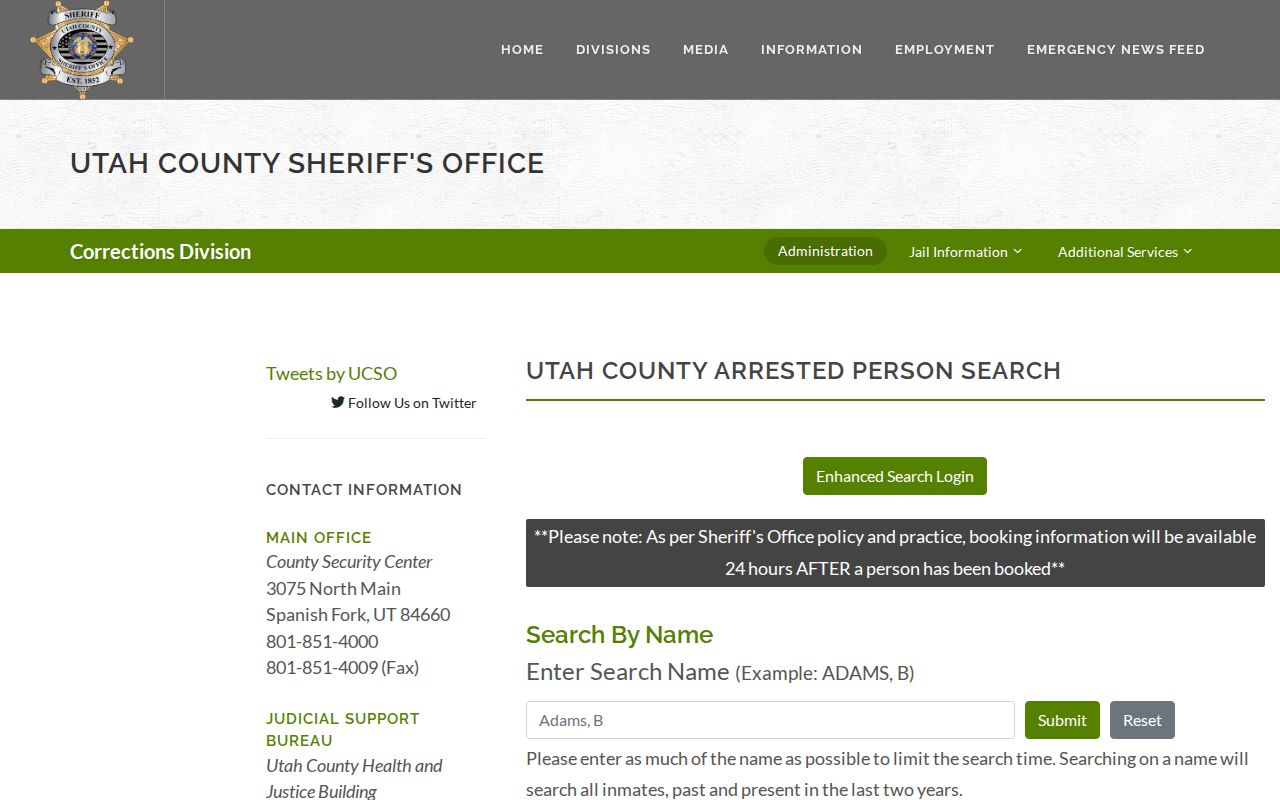
This county tool does not replace the Utah Department of Corrections locator for people under state incarceration, probation, or parole, nor does either tool provide a complete court history.
Verify Provo License Search Results
A professional role can distinguish two people with the same name. Utah’s Division of Professional Licensing publishes credential verification and public discipline information. The state corporations system separately searches entities and registered principals, so a person’s name can lead to associated companies, agent roles, status, and filed addresses. Provo’s own application portal is not proof of a public citywide licensee-name index.
The Utah license verification service is the official place to confirm a credential.
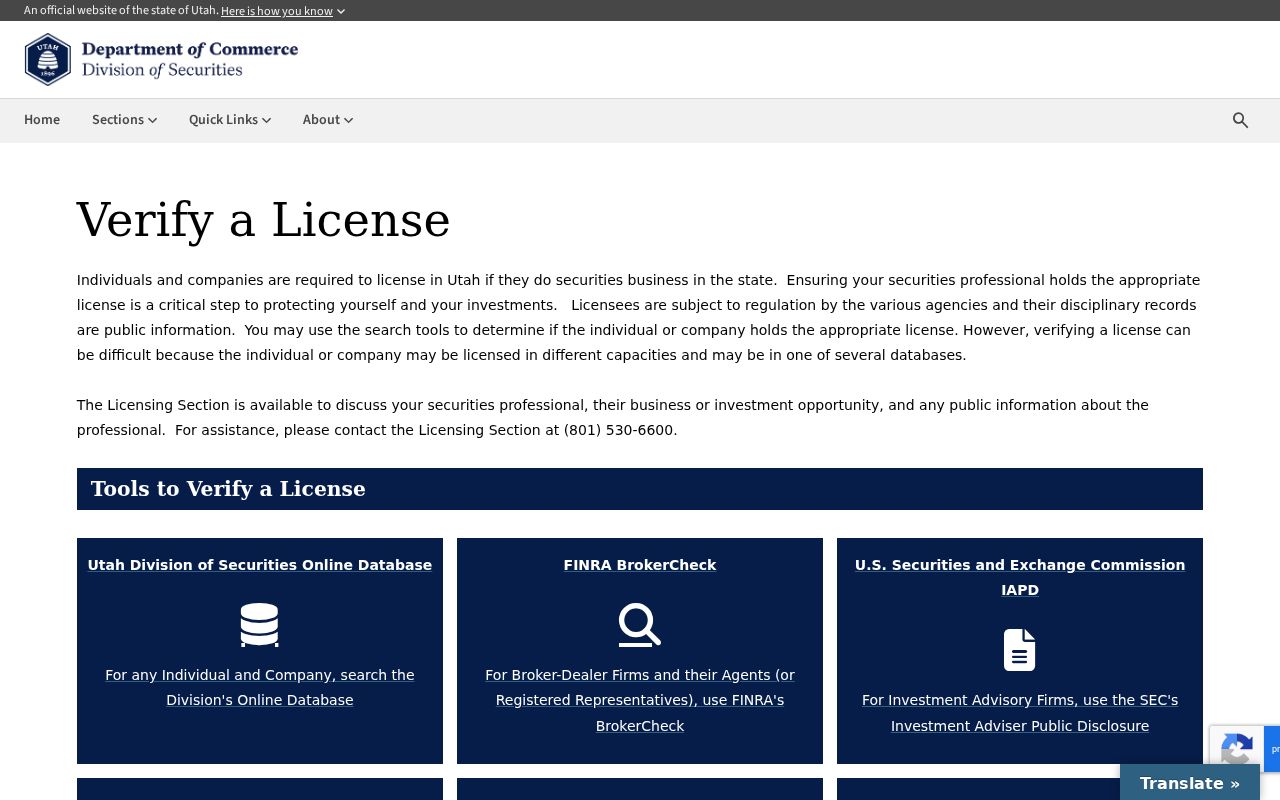
A public verification may show status and profession-specific detail. Sensitive fields used on a certified verification request are not public lookup output.
Use official records only for lawful personal research. Public access never permits stalking, threats, impersonation, harassment, or harm.
Follow Provo Unclaimed Property Names
Utah Unclaimed Property can connect a person or business to a former location when money or property was turned over to the state. Search by owner surname or business name, then add a given name or location to reduce false matches. A result is only a potential match. A claimant must prove identity and ownership before the state releases property.
The official MyCash Utah search is free.
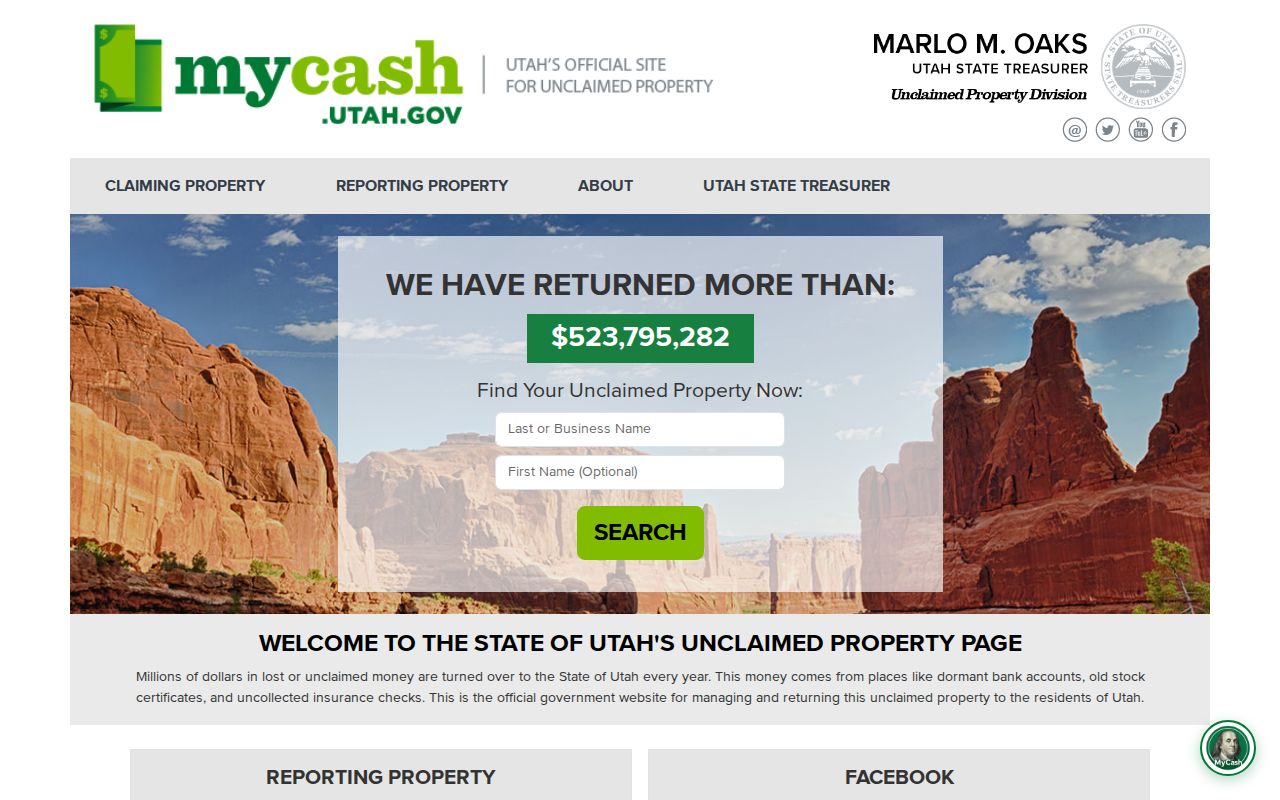
The state route is also a safety check against fee-based claim pitches. Save the match details, then complete the proof steps only through the official site.
Compare Provo Search Access Channels
Online does not always mean free, and public does not mean every field may be copied. Utah County land images are free. Xchange charges online, but public courthouse terminals avoid the search fee. Recent certificates are paid and relationship-restricted. The personal voter lookup is free for a voter who supplies matching private facts, while access to the statewide voter file follows a signed-purpose process and a substantial fee.
| Record route | Web access | Fallback |
|---|---|---|
| Land and deeds | Free owner, party, image, and parcel tools | Recorder counter and scanned abstracts |
| Utah court cases | Paid Xchange search and documents | Free public terminal, clerk copy request, Archives |
| Vital certificates | Eligible paid order | County counter, mail, Archives after aging periods |
| Historical people | Selected indexes and digital collections | Provo Library, BYU, Utah State Archives |
Read Provo Cemetery Search Layers
Provo City Cemetery has three useful record paths: a modern cemetery map, the statewide Utah Burials Search, and older sexton or chronological records. The sources overlap but do not hold the same fields. The manuscripts can preserve parents, physician, birthplace, death place, grave, and cause or remarks that a modern map may omit. A failed map search should therefore be checked against the older books and reels.
The cemetery was established in 1853. Its record systems changed from chronological books and cards to a computer database and mapped rights. For an heir or family-history search, combine burial date and block or lot with an obituary citation, death certificate, probate party, and nearby directory year. Each source answers a different question, and a conflict should be preserved until the closest record to the event resolves it.
Extend Provo Searches Before 1985
The searchable property abstract has a firm 1985 boundary. Older Provo ownership work may move to typed abstracts, abstract-book images, selected REDI books, the Recorder counter, FamilySearch copies, or Utah State Archives. Historic city records also moved before Provo’s old City Center was demolished. Records transferred to the Archives include evidence beginning in the late 1860s, even though the city formed government in 1851.
Newspapers require the same care. Provo Daily Times began in 1873, followed by Territorial Enquirer, Utah Enquirer, Daily Enquirer, Provo Herald, Provo Post, Daily Herald, and a period under Evening Herald. Searching only the current paper title can miss a person who appeared in an earlier run. Use an event date to select the right title, then retain the page citation before moving to deeds, probate, directories, or cemetery material.
Keep Provo Voter Searches Personal
Utah’s voter portal is a personal verification tool, not a public surname directory. A voter supplies name, birth date, street address, city, ZIP code, and a reCAPTCHA challenge. A match can return registration status, precinct, districts, party affiliation, and election or ballot-status information. It never reveals ballot choices.
Utah changed voter-data law in 2026. Standard data, private fields, and fully private at-risk records now follow Title 20A, Chapter 2, Part 6. The statewide file requires a permitted purpose, signed security promises, and no public reposting. Misuse can be a class A misdemeanor. The full personal lookup, county help channel, lawful file request, and protection rules are treated end to end in Provo voter records.
Confirm Every Provo Search Match
A Provo search result gains weight when two independent records agree. Parcel ownership plus a deed proves a title trail. A probate role plus an obituary or cemetery entry can support an heir connection. A school yearbook plus a dated city directory can support a classmate link. None of those pairings makes a current address safe to assume.
Frequent moves and institutional turnover make dates crucial in Provo. Government and school directories change with staff assignments. An owner may receive mail elsewhere, and a parcel may lack a street address. Use the record’s own date, role, and keeper. If a portal omits older material, call the custodian or archive instead of filling the gap from an unverified commercial compilation. That final check keeps a likely name match from becoming a false identity.